How Blockchain Mining Mini Games Are Reshaping Play-to-Earn Crypto Rewards
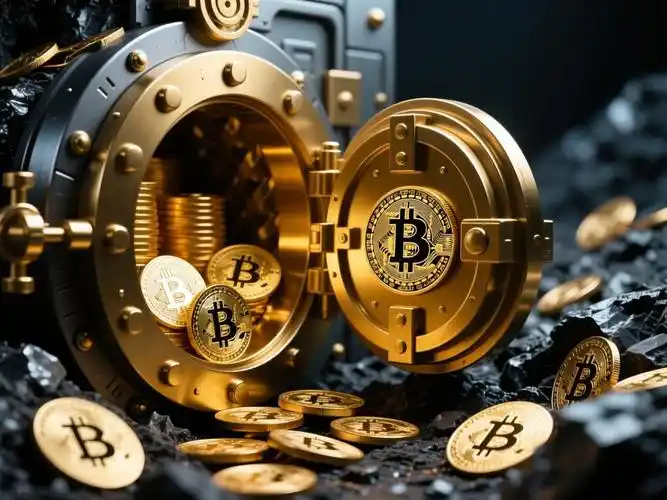
Blockchain mining mini games represent a fascinating intersection between casual gaming and cryptocurrency earning mechanisms. Unlike traditional cryptocurrency mining, which requires expensive hardware and significant electricity consumption, these mini games simulate the mining process through interactive, often simplified digital experiences. Players can earn small amounts of crypto or in-game tokens simply by participating in game-like activities that mimic the principles of blockchain validation.
The core appeal of these mini games lies in their accessibility. Instead of needing to understand complex hash functions or invest in ASIC miners, users can tap, click, or solve puzzles to “mine” virtual blocks. This gamification of the mining process lowers the barrier to entry, allowing non-technical users to experience the thrill of earning decentralized rewards. Many games incorporate elements such as skill-based challenges, resource management, or timed events to keep the experience engaging rather than purely mechanical.
From a technical perspective, these mini games often leverage smart contracts on layer-2 networks to reduce transaction fees. When a player successfully mines a virtual block in the game, a small amount of the native token is minted and transferred to their wallet. Some platforms use a hybrid model where the mini game determines the distribution of a fixed mining pool, rewarding active players with higher yields. This creates a competitive environment where strategy and engagement directly influence earning potential.
Security and sustainability remain important considerations. Many blockchain mining mini games use proof-of-stake models to avoid the energy concerns associated with proof-of-work mining. Others incorporate anti-bot mechanisms, such as captchas or behavior analysis, to prevent automated scripts from dominating the rewards. Game developers must also ensure that the tokenomics are balanced; if too many tokens are minted through the mini game without sufficient utility, the value can rapidly depreciate.
Looking ahead, blockchain mining mini games are likely to evolve into more complex metaverse integrations. Imagine a virtual world where players must actively maintain mining rigs, defend them against other players, or upgrade their algorithms to stay competitive. Such mechanics could drive deeper engagement while providing a steady stream of micro-earnings. For casual users, these games offer a low-risk entry point into the crypto economy, combining entertainment with the possibility of real financial returns, however modest they may be.